
It’s an old joke, “Everybody complains about the weather, but nobody ever does anything about it.”
But with extreme climate events, fires and floods around the globe, it isn’t a joke any longer, and maybe it is possible to get something done. That was the aim of an event in London’s Westminster Hall last November. An audience of more than a thousand politicians and leaders from business, culture, faith, sport, and the media was invited to be briefed by ten leading experts.
They were told, and shown, how bad climate change is already and how much worse it could be if action is not taken. There was also a message of hope: there is clear evidence that urgent action will strengthen our economy, resilience, and quality of life.
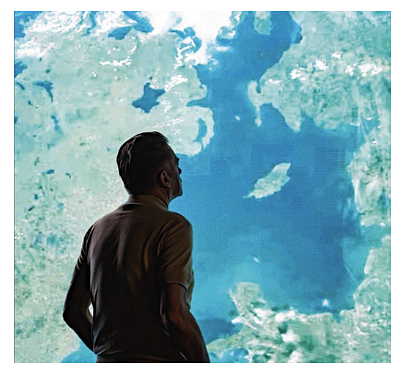
The next step is taking that message to the public. A nationwide grassroots movement is organising screenings of a condensed version, the People’s Emergency Briefing: 50 hard-hitting minutes of facts and astounded discussion. To be shown in Henleaze, Bradbury Hall, Waterford Road, BS9 4BT on 14 June, 19.30-21.30.
The purpose of the film is to raise awareness, provoke discussion, and to increase pressure on Parliament to have the film shown on national television.
“Everybody needs to know what might happen, what certainly will happen if we don’t act, and our leaders need to know that we want action,” said the spokesperson of the Westbury Park Community Association, which is organising the showing in Henleaze.
“Politicians assume that people don’t care. We have to show that they do.”
In light of the risks now clearly established by independent experts, the National Emergency Briefing calls for Government action to inform the public, prepare us and protect us.
It says:
• The Government must deliver a prime-time, multi-channel national emergency briefing, launching a major public plan to cut disinformation. Plain-speaking experts in the original Briefing showed how this can be done.
• The Government should launch a science-led national emergency response to climate and nature breakdown, showing the same leadership and determination as in WW2 and during the financial crisis. There must be emergency legislation driving rapid reduction in emissions and increased investment in adaptation. Such action will create jobs and improve lives.
International climate conferences failed to deliver the scale of global action needed. The UK can establish the credibility required to lead by example in driving the coordinated global action we need.