

It’s difficult to imagine how a small corner of Bristol could be connected with a nature reserve all the way up in North Yorkshire, but local volunteers have played a vital role in the successful reintroduction of endangered glowworms at Nosterfield in Ripon, where 12 females have been spotted over the summer.
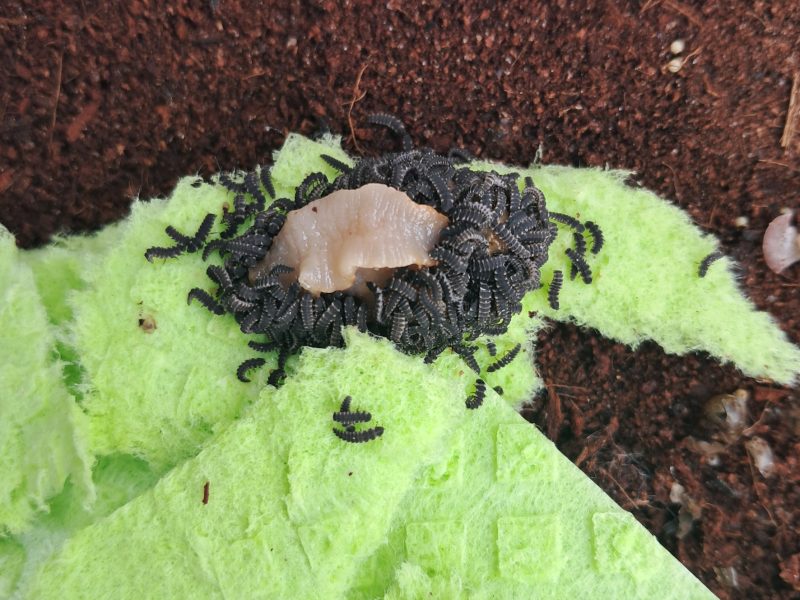
Having been absent from our countryside in recent decades due to intensive farming and ‘tidying’ of the necessary rough grassland, these shining, fairy-like creatures have been reintroduced by volunteer ‘glow-getters’ and independent Bristol-based ecologist, Pete Cooper. Pete collected a number of glowworms from a donor site established in the Westbury Wildlife Park Foundation (WWPF), bred them in captivity and reared hundreds of snail-eating larvae in his garden shed in Bristol.
The larvae were originally transferred to Nosterfield nature reserve in 2024, but as glowworms take two years to reach full adulthood (when the flightless female glows to attract weaker, beamless males), the success of the project only became evident this summer. However, it will take until 2030 to establish if the glowworms will be self-sustaining, once the offspring of the current adults reach maturity too.
Pete has spent six years – for free – learning the intricacies of breeding and releasing glowworms and is now developing formal standards and guidance, as well as appropriate habitat management, to provide suitable sites for glowworms to thrive in future.
Fundraisers organised by Pete and his friends enabled the breeding facilities at the WWPF to be upgraded, making it easier to captive-breed, and garnering interest from other conservation groups involved in glowworm reintroduction.
Thanks to the continued dedication of volunteers of the WWPF, a further 1900 larvae have also been bred, which will be released in Nosterfield later in the year.
Adam Jefferies, ecological specialist at the WWPF, told the Voice: “Pete has been rearing glow-worms for around six years and when he moved his project to the park, he approached me for some support with feeding and checks. Once we had a routine in place, we put it to the wider group of volunteers, mostly local residents and conservation students looking to gain experience.
“We adopted the name ‘glow-getters’ and trained everyone in biosecurity, feeding methods, and maintenance.
“We’re very proud to be a part of this project, and delighted that roughly 2000 new larvae will be travelling to Yorkshire for release very soon. This winter we’ll be working with Pete to design a new, purpose-built facility for continuing the project, hopefully easier to work in than a shed!”